Madagascar’s Biodiversity Under Growing Pressure, WWF Warns in Living Planet Report 2026
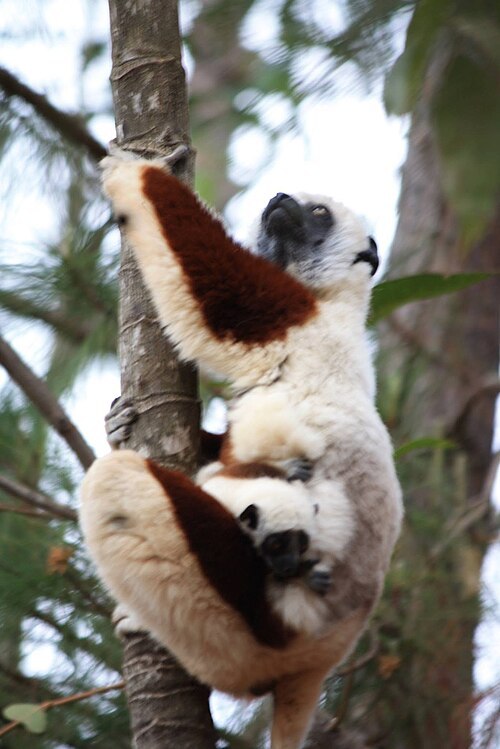
Madagascar is facing mounting threats to its biodiversity, with 41% of recorded species reportedly at risk of extinction, including 98% of lemur species, according to figures cited in connection with WWF’s Living Planet Report 2026. Habitat loss, poaching and wildlife trafficking remain major drivers of the decline, while deforestation continues to place pressure on the island’s unique ecosystems.
Between 2002 and 2025, Madagascar is estimated to have lost 1.2 million hectares of humid primary forest, representing approximately a quarter of its original area. Illegal logging, mining and other activities that degrade natural habitats are contributing to the loss, threatening the species that depend on these forests for survival.
The pressure extends beyond land ecosystems. In the Nosy Hara archipelago in northern Madagascar, coral reefs host 344 of the 369 coral species recorded in the Western Indian Ocean. Yet these marine environments face a combination of threats, including rising sea temperatures, overfishing, pollution and destructive fishing practices. In March 2025, 38% of the corals surveyed showed signs of bleaching, highlighting the vulnerability of these ecosystems.
Endangered Species Face an Uncertain Future
Lemurs are among the most vulnerable animals in Madagascar. The silky sifaka, locally known as the Simpona (Propithecus candidus), is classified as Critically Endangered. Fewer than 300 mature individuals were reported in 2022, underscoring the precarious state of this species, which is endemic to Madagascar’s northern humid forests.
However, conservation monitoring has also revealed encouraging signs. Around 20 groups of silky sifakas were identified across 13 study sites. These findings highlight the importance of sustained conservation efforts involving local communities, particularly initiatives focused on monitoring wildlife, preventing poaching, enforcing conservation laws and raising public awareness.
The radiated tortoise (Astrochelys radiata), another Critically Endangered species endemic to southern Madagascar, faces similar pressures. WWF surveys conducted in 2023 recorded a density of just 0.53 individuals per hectare in the region’s spiny forests. Conservation initiatives have included monitoring sensitive areas, rescuing confiscated tortoises, reintroducing seized animals into suitable habitats and protecting the ecosystems on which they depend.
The ring-tailed lemur (Lemur catta) has also experienced a significant decline, with its population reportedly falling by half over 36 years. Deforestation, illegal logging, charcoal production and certain mining activities are among the pressures affecting its habitat. Nevertheless, substantial populations remain at several priority sites monitored by WWF, offering opportunities for targeted conservation action.
A Global Decline in Wildlife Populations
Madagascar’s biodiversity crisis reflects a broader global trend. WWF’s Living Planet Report 2026, drawing on the Living Planet Index produced by the Zoological Society of London (ZSL), documents an average 73% decline in the size of monitored wildlife populations worldwide between 1970 and 2022.
The assessment is based on 35,803 population trends covering 5,790 vertebrate species, including mammals, birds, reptiles, amphibians and fish. In Africa, the average size of monitored vertebrate wildlife populations declined by 80% over the same period.
These figures measure changes in the average size of monitored animal populations; they do not mean that 73% of all wildlife or 80% of Africa’s animal species have disappeared. Rather, they indicate the scale of the pressure on wildlife populations across the regions studied.
Habitat loss and degradation remain the most frequently reported threats to monitored populations worldwide. Other major pressures include overexploitation, climate change, pollution, invasive species and disease. These challenges are closely linked to the ways food is produced, energy is generated and financial resources are invested.
Conservation Efforts Offer Grounds for Hope
Despite the alarming findings, WWF stresses that biodiversity loss is not necessarily irreversible. The report highlights examples of wildlife recovery, demonstrating that sustained conservation measures can produce positive results when supported by clear objectives, long-term commitment and community participation.
Around half of the wildlife populations included in the Living Planet Index are stable or increasing, even though the overall trend remains negative. International examples involving species such as green turtles, bluefin tuna, tigers and some southern African elephant populations illustrate what coordinated conservation efforts can achieve.
In Madagascar, WWF has highlighted the importance of working alongside local communities to protect threatened species and preserve critical habitats. Measures include strengthening forest and wildlife monitoring, supporting agroforestry and sustainable livelihoods, promoting improved cooking stoves and developing alternatives to firewood to reduce pressure on natural forests.
The organisation argues that conservation initiatives must also address the economic activities and wider systems that contribute to environmental degradation. Protecting individual species will be difficult to sustain without reducing the pressures that destroy their habitats.
For Dresy Lovasoa, Conservation Manager at WWF Madagascar, community participation remains central to these efforts. She emphasises that every contribution matters and that conservation work must be maintained consistently over time.
As Madagascar confronts mounting threats to its forests, marine ecosystems and endemic wildlife, the challenge is not only to halt biodiversity loss but also to create the conditions for damaged ecosystems and declining animal populations to recover. WWF’s message is that lasting progress will depend on sustained action, locally adapted solutions and a shared commitment to protecting the island’s natural heritage.
Raveloaritiana Mamisoa


