Voices for Democracy and Justice is an independent platform run by independent journalists, activists and human right defenders amplifying stories about human rights and the issues that shape communities across Madagascar.
We cover politics, governance, environment, climate justice, education, health, inequality, media freedom, corruption, and community rights. We give space to voices that are often ignored or silenced, while remaining independent from political and institutional influence.
Support independent journalists telling stories that matter.
Contact: contact@voicesofordemocracyandjustice.org
Izay miasa dia savaina!
Donate and Support Our Work
To continue this important work independently and reach more people, we need your support. Your donations, partnerships, volunteering, and help in spreading the word allow us to remain active and make a meaningful difference.
Your support helps us promote democracy, defend human rights, strengthen communities, and amplify voices that are too often unheard.
If you would like to support Voices for Democracy and Justice, please contact us for information about how to donate:
Email: contact@voicesofordemocracyandjustice.org
We will be happy to provide you with the available donation methods and answer any questions you may have.
Meet our team
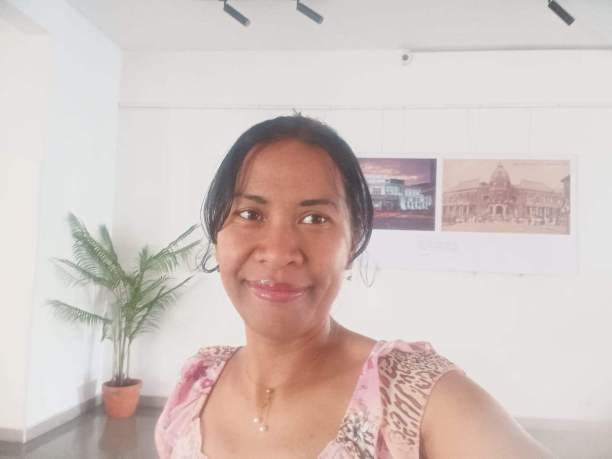
Raveloaritiana Mamisoa
Independant journalist
Raveloaritiana Mamisoa is an independent journalist, language activist, and human rights defender committed to amplifying underrepresented voices and promoting freedom of expression, linguistic diversity, and human dignity. Through journalism and advocacy, she works to raise awareness of social issues, defend fundamental rights, and contribute to more inclusive and informed communities.
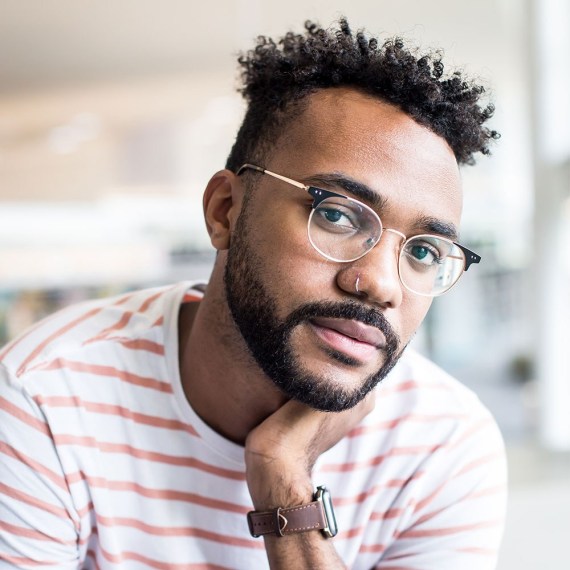
Dave Willson
Journalist
Dave is a dedicated journalist committed to accurate, independent, and responsible reporting. Through his work, he seeks to inform the public, highlight important stories, and give a voice to perspectives that are often overlooked.
Zo Andriamifidisoa
Editor
Zo Andriamifidisoa is a blogger, active Wikipedian, and long-term editor in the Malagasy language. His writing focuses on politics and public affairs. Through his work, he analyzes political developments, explores current issues, and encourages informed public discussion.
Contact: zo@voicesofordemocracyandjustice.org
Why Every Voice Matters in a Democracy
Democracy depends on participation. In times of injustice, silence helps the oppressor not the oppressed. Every voice no matter how small has power.
Voices for Democracy and Justice exists to amplify those often unheard. Whether you're voting, protesting, creating, or simply speaking out, you're part of the movement for change.
Raise your voice. Justice and democracy need all of us.
FOLLOW OUR SOCIAL MEDIA


